



The wooden sculpture "Drinking Water Horn" from the heyday of medieval Sweden
The name of the cultural relic is the drinking water horn, which is currently housed in the Swedish History Museum. A birch wooden drinking water horn from the medieval peak of 1250-1299, with two dragon and griffin shaped figures carved on it. The end of the horn is shaped like a dragon's head, turn the head towards the edge. The grappling bucket bites the edge with its beak, while the kite bites the wings of the grappling bucket, connecting the end to the edge. There are three copper strips around the horn and two simple mortise and tenon legs for support.

Gustav Vasa's steel helmet at the Royal Swedish Armory Museum
It was made in 1540 in Germany, probably in Augsburg or Nuremberg, which was home to some of the most skilled armour makers of the time. The visor is the part that covers the face and was not originally part of the helmet, but is thought to be of the same period. This helmet is quite special-looking and is one of the few well-preserved items owned by King Gustav Vasa of Sweden. The helmet is currently on display at the Royal Swedish Armoury Museum, which is located in the Royal Palace in Stockholm and is one of the oldest museums in the world. The museum houses historical artifacts from the Swedish royal family and military.

Barsanet-style steel helmet at Rida Hall Gate Church in Sweden
This helmet was made in Germany, around the middle of the 16th century. It was once mistaken for a relic of King Magnus Laduras of Sweden, who died in 1290. The helmet, together with a set of armor consisting of unrelated parts, was on display in the Church of Rida Hall, Sweden, until 1866. The church is the mausoleum of the Swedish royal family and one of the oldest churches in Sweden. It is a Basarnett-style helmet, the distinctive feature is that there is a sharp mouth protruding forward in front of the mask, the main function is to deflect frontal attacks. It was more popular in Europe in the 16th and 17th centuries and was often used to equip heavily armored pistol cavalry.

Popular Models
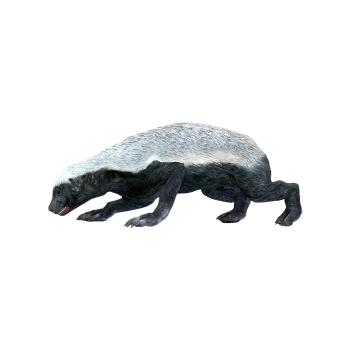
Honey Badger (3D animated model)
192 View
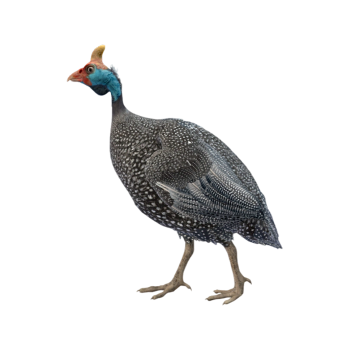
Guinea fowl (3D animated model)
163 View
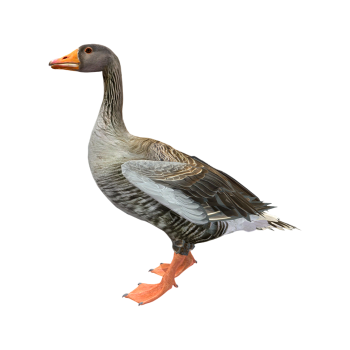
Wild Goose (3D animated model)
185 View
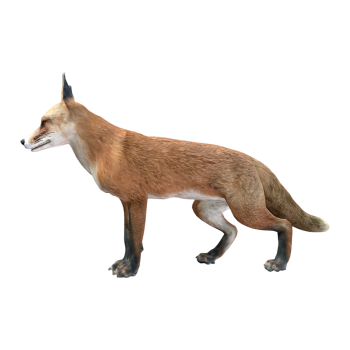
Red Fox (3D animated model)
153 View
Random Model


Croissant with Chocolate Sauce
862 View


Hercules Bicycle
1397 View

Emergency exit indicator light - front
1006 View
